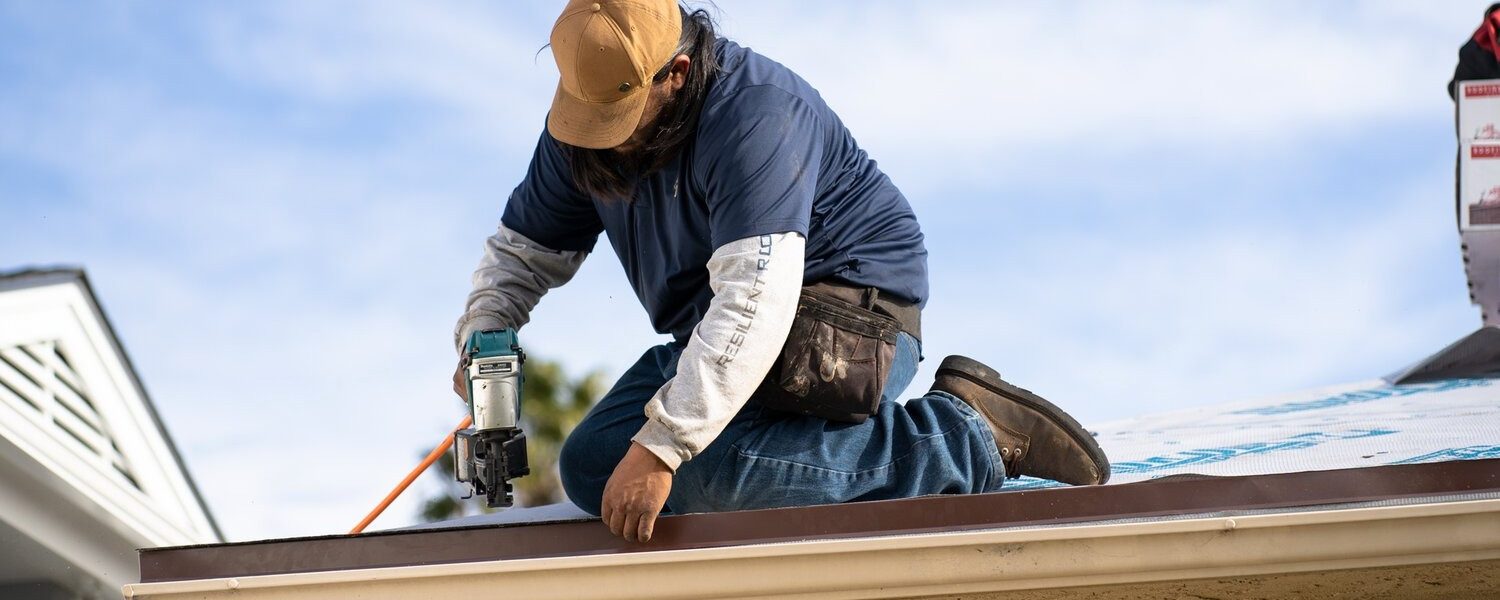

Structural integrity is a fundamental aspect of any building, and roofing systems play a critical role in maintaining it. Modern roofing technologies have evolved significantly to address challenges related to durability, safety, and environmental factors. The roof acts as the primary barrier against weather elements such as rain, wind, snow, and sunlight. Therefore, ensuring its structural soundness is essential for protecting the entire building framework beneath it. Advances in materials science and engineering have enabled the development of roofing systems that not only meet aesthetic demands but also enhance load-bearing capacity and resistance to external stresses.
One key factor influencing structural integrity in modern roofs is material selection. Traditional materials like wood shingles or clay tiles are often replaced or supplemented by engineered products such as metal panels, synthetic membranes, or reinforced composites. These contemporary materials offer improved strength-to-weight ratios while reducing maintenance requirements over time. For example, metal roofing provides excellent resilience against high winds and heavy precipitation without adding excessive weight to the supporting structure. Additionally, innovations like cool roof coatings reflect solar radiation effectively, mitigating thermal expansion that can weaken underlying components.
The design process also incorporates advanced modeling techniques to predict how roofs will perform under various conditions. Structural visit our website engineers use computer simulations to analyze load distribution caused by snow accumulation or wind uplift forces. This allows them to optimize support frameworks including trusses and beams so they can withstand anticipated stresses without failure or deformation. Proper integration with other building elements such as walls and foundations ensures a cohesive system capable of distributing loads evenly throughout the structure.
Modern roofing systems increasingly emphasize sustainability alongside durability. Green roofs with vegetation layers contribute additional insulation while managing stormwater runoff more effectively than conventional options. Solar panel installations are integrated into rooftops not just for energy generation but also with consideration given to their impact on structural loading patterns over time.
Maintenance practices remain crucial despite technological advancements; periodic inspections identify potential vulnerabilities before they escalate into serious problems compromising structural integrity. Issues like corrosion in metal fasteners or membrane punctures require timely repair interventions tailored specifically for each roof type.
In summary, maintaining structural integrity through modern roofing systems involves thoughtful material choices combined with precise engineering design supported by ongoing upkeep efforts. These advancements ensure buildings remain safe and functional across diverse environmental challenges while contributing positively toward sustainable construction goals now prioritized worldwide.