
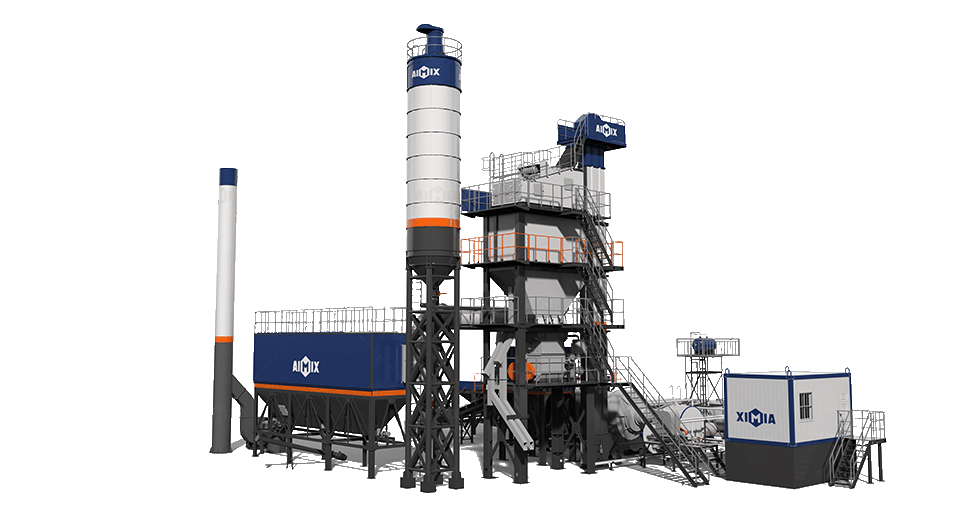

Soil cement walls have become an increasingly popular choice in construction projects due to their cost-effectiveness, durability, and environmental benefits. This technique involves mixing soil with a small amount of cement and water to create a sturdy material that can be used for retaining walls, embankments, and other structural applications. Understanding the process and advantages of soil cement walls is essential for engineers, contractors, and builders aiming to optimize project outcomes.
The primary component of a soil cement wall is the mixture itself. Typically, local soil is utilized to reduce transportation costs and environmental impact. The soil must have suitable properties such as proper gradation and minimal organic content to ensure strength when combined with cement. After selecting the appropriate soil type, it is mixed thoroughly with Portland cement-usually between 5% to 10% by weight-and water until a uniform consistency is achieved. This mixture hardens over time through hydration reactions within the cement particles.
One of the key benefits of using soil cement walls lies in their excellent compressive strength once cured. These walls provide substantial resistance against lateral earth pressures commonly encountered in retaining structures or slope stabilization projects. Moreover, they exhibit good resistance to erosion compared to untreated soils or traditional tunnel grouting earthworks because the hardened matrix binds particles together firmly.
Construction methods for building soil cement walls vary depending on project requirements but generally involve layering techniques similar to those used in compacted earthworks. First, excavation creates space where layers approximately 150-300 mm thick are placed sequentially. Each layer undergoes compaction using rollers or mechanical tampers ensuring density optimization before adding subsequent layers until desired height is achieved.
Curing plays an important role in maximizing strength development; hence adequate moisture retention during early stages after placement is necessary-often accomplished by covering surfaces with plastic sheets or applying curing compounds-to prevent premature drying which could lead to cracking or reduced performance.
From an environmental perspective, utilizing locally sourced materials reduces reliance on manufactured concrete blocks or steel reinforcements that typically require more energy-intensive production processes. Soil cement also offers improved thermal mass properties beneficial for certain architectural designs focusing on passive temperature regulation.
Despite its many advantages, careful consideration must be given when designing soil cement walls regarding drainage provisions since trapped water behind these impermeable barriers can cause hydrostatic pressure buildup leading potentially to failure if not properly managed through drainage pipes or weep holes incorporated into design plans.
In conclusion, soil cement wall construction presents an effective solution combining sustainability with structural integrity suitable for various civil engineering applications ranging from highway embankments to flood control levees. Proper material selection, meticulous mixing procedures, layer-by-layer compaction strategies along with controlled curing practices ensure reliable performance over extended service life while minimizing overall project costs and ecological footprints alike.