
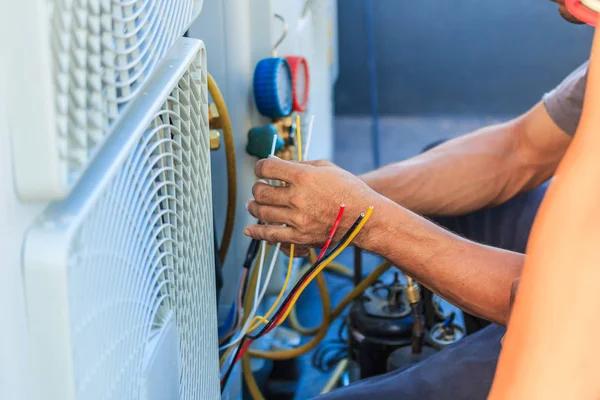

Maintaining your air conditioning system for peak efficiency and ensuring reliable repairs requires a combination of routine care, timely troubleshooting, and professional assistance. The first step in troubleshooting your AC is to understand its basic components and how they work together. Your system relies on a thermostat, compressor, condenser coils, evaporator coils, and refrigerant to cool the air effectively. When any part malfunctions or becomes dirty, it can reduce efficiency or cause the unit to stop working altogether.
Begin by checking the thermostat settings to confirm that the temperature is set correctly and that it is functioning properly. Sometimes a simple recalibration or battery replacement can resolve issues related to inaccurate readings or unresponsive controls. Next, inspect explore the website air filters regularly; clogged filters restrict airflow and force the system to work harder than necessary. Replacing dirty filters every one to three months helps maintain proper airflow and improves indoor air quality.
Another critical area involves cleaning condenser coils located outside your home. Over time, dirt, leaves, and debris accumulate on these coils reducing their ability to dissipate heat effectively. Gently rinsing them with water while avoiding high-pressure sprays prevents damage while restoring cooling capacity. Similarly, ensure there are no obstructions around the outdoor unit so that air can circulate freely.
If you notice unusual noises such as grinding or rattling coming from your AC unit during operation, this could indicate mechanical problems like loose parts or motor issues requiring professional attention. Strange odors may suggest mold growth inside ducts or electrical problems needing immediate inspection.
Refrigerant levels also play an essential role in maintaining efficiency; low refrigerant often signals leaks which not only impair performance but also harm the environment if left unchecked. Only certified technicians should handle refrigerant refills since improper handling poses safety risks.
Regularly monitoring energy bills can help identify when your AC might be losing efficiency due to wear or hidden faults. An unexpected spike in electricity usage often points toward underlying problems needing diagnosis before they worsen into costly repairs.
When minor fixes don’t restore functionality promptly or if you encounter persistent issues like frequent cycling on and off (short cycling), uneven cooling across rooms, or excessive humidity indoors despite running the system continuously, contacting an experienced HVAC technician is advisable for thorough evaluation.
In summary, proactive maintenance combined with informed troubleshooting steps ensures that your air conditioner operates efficiently throughout its lifespan while minimizing repair costs and downtime caused by preventable failures.


