

As people age, managing inflammation becomes increasingly important for maintaining overall health and preventing chronic diseases. Inflammation is a natural response by the immune system to injury or infection, but when it persists over time, it can contribute to conditions such as arthritis, heart disease, diabetes, and cognitive decline. Fortunately, there are several effective strategies to reduce inflammation as you get older.
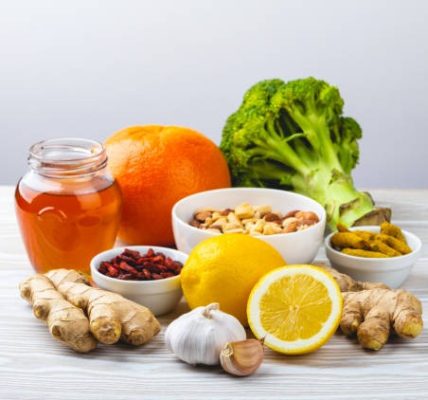
One of the most impactful ways to lower inflammation is through diet. Consuming foods rich in antioxidants and anti-inflammatory compounds helps combat oxidative stress that contributes to chronic inflammation. Incorporating plenty of fruits and vegetables into daily meals provides essential vitamins and minerals that support immune function. Foods like berries, leafy greens, nuts, fatty fish such as salmon or mackerel with omega-3 fatty acids play a crucial role in reducing inflammatory markers in the body. Avoiding processed foods high in sugar and unhealthy fats can also prevent triggering inflammatory responses.
Regular physical activity is another key factor in managing inflammation with age. Exercise improves circulation and promotes the release of anti-inflammatory substances within muscles. Engaging in moderate-intensity activities like walking, swimming, or cycling best kratom for energy at least 150 minutes per week has been shown to decrease levels of pro-inflammatory proteins while enhancing overall cardiovascular health. Maintaining muscle mass through resistance training further supports metabolism and reduces fat accumulation linked with increased inflammation.
Adequate sleep quality significantly influences inflammatory processes as well. Poor sleep patterns elevate stress hormones which can exacerbate systemic inflammation over time. Establishing consistent bedtime routines and creating a restful environment encourages restorative sleep cycles necessary for immune regulation.
Stress management techniques also contribute substantially to lowering chronic inflammation among older adults. Chronic psychological stress activates pathways that increase inflammatory cytokines circulating throughout the body. Practices such as mindfulness meditation, yoga, deep breathing exercises or even engaging in hobbies help reduce perceived stress levels while promoting relaxation responses beneficial for controlling immune function.
Maintaining a healthy weight plays an essential role since excess adipose tissue produces inflammatory molecules called adipokines that perpetuate low-grade systemic inflammation commonly observed with aging obesity-related conditions worsen this effect further emphasizing weight control’s importance through balanced nutrition combined with physical activity.
Finally, avoiding smoking and limiting alcohol intake protect against cellular damage linked directly to increased inflammatory states seen frequently among older populations who smoke or drink excessively.
By adopting these lifestyle modifications-nutritious eating habits rich in anti-inflammatory foods; regular exercise; sufficient restorative sleep; effective stress reduction methods; maintaining healthy body composition; abstaining from tobacco use; moderating alcohol consumption-individuals can significantly reduce chronic inflammation risks associated with aging while enhancing their quality of life well into later years.