
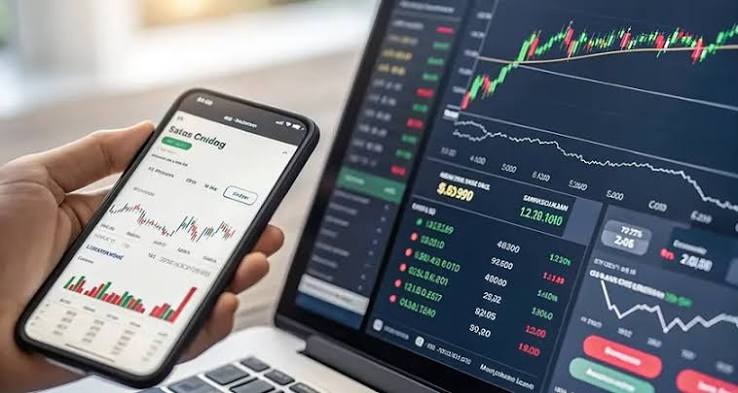

Investing in listed securities requires a secure way to hold them in electronic form. Today, investors can open demat accounts through registered Depository Participants without dealing with physical share certificates. A demat account stores shares, bonds, ETFs, and other eligible securities digitally. It also supports the transfer and settlement of securities after market transactions.
Digital platforms have also changed how investments are accessed and tracked. Many stock investing apps connect demat, trading, and bank accounts through one interface. This allows investors to place orders, check holdings, view statements, and track transactions. Before selecting a platform, it is important to understand its charges, security controls, account terms, and available services.
What Is a Demat Account?
A demat account is an electronic account used to hold securities. It is opened through a Depository Participant, or DP, associated with a depository such as NSDL or CDSL.
A demat account and a trading account serve different roles. The demat account holds securities, while the trading account is used to place buy and sell orders. A linked bank account is used to receive or pay funds related to transactions.
Holding securities in digital form also removes the need to store physical certificates. Investors can access records of their holdings and transactions through their DP or depository services.
How to Open a Demat Account Online
The exact process may differ across DPs, but the main steps are generally similar.
- Choose a Registered Depository Participant
Start by checking whether the broker or DP is registered with SEBI. Review its account charges, brokerage structure, platform features, service terms, and customer support before proceeding.
Fill in the account opening form with details such as your name, mobile number, email address, PAN, and date of birth. Ensure that the information matches your official documents.
Know Your Client, or KYC, verification is part of account opening. Documents may include PAN, proof of address, bank details, and identity information.
If the applicant is already registered with a KYC Registration Agency, certain KYC documents may not need to be submitted again, subject to the applicable process.
A bank account is linked to manage funds used for securities transactions. Depending on the DP, bank verification may involve account details, a cancelled cheque, a bank statement, or digital verification.
Online account opening may involve OTP verification, video verification, e-signing, or another permitted verification process. Follow the instructions shown by the DP.
Review the tariff sheet, brokerage details, rights and obligations, account maintenance terms, and other disclosures.
Check which charges may apply to transactions, account maintenance, pledging, or related services. Reading these documents can help avoid confusion about account costs later.
Once the information and documents are verified, the DP creates the demat account and provides the relevant account details.
If a trading account is also opened, eligible market transactions can be carried out through the broker’s platform after activation.
How the Account Works After Activation
When shares are purchased and the trade is settled, the securities are credited to the demat account. When securities are sold, they are debited from the account according to the settlement process.
A demat account may also hold ETFs, bonds, and other securities available in dematerialised form.
Investors should check account statements regularly. This helps confirm that recorded holdings and transactions match their own records.
Basic Safety Checks
Digital access makes account management convenient, but security remains important. Use registered intermediaries and keep passwords, PINs, and OTPs private.
Do not share login details with unknown individuals. Investors should also be cautious about unverified messages, investment tips, or claims of assured returns.
Market-linked securities can rise or fall in value. Understanding the product, its risks, costs, and investment objective is useful before making a transaction.
Conclusion
A demat account provides a digital system for holding and transferring securities. Opening one online generally involves selecting a registered DP, completing KYC, linking a bank account, reviewing the required documents, and completing verification.
Once activated, the account can work alongside trading and banking services to support securities transactions. Understanding the process, reviewing applicable charges, and following basic security practices can help investors manage their accounts with clarity.
Free Trading App for Secure Digital Investing and Stock Management
Digital investing allows people to buy, sell and follow market assets via a phone. With a Free Trading App you can trade, see your holdings, see your funds, save watchlists and keep an order history all in one place. But cost is only one factor in the decision. Also important are safety, fees, account controls and clear records.
Many brokers also offer to open a free demat account through digital KYC. A demat account holds shares and other eligible assets electronically. You place market orders through a trading account. Together, they make up the basic arrangement for stock investing online.
What is a Trading App?
A trading app connects an investor to a registered broker and the market. Its tools can be shares, ETFs, mutual funds, IPOs or derivatives. It might also provide you charts, alerts, watch lists, fund info, order history and portfolio reports.
The word “free” needs some context. An app cannot charge an opening or platform fee but you could still be charged broking, taxes, statutory levies, depository fees or service charges. Investors should read the broker’s tariff sheet prior to opening an account.
How to Check a Trading Application
Before using app features, verify the security. SEBI also has a list of mobile trading apps allowed by recognised exchanges. NSE also cautions against fake apps, unregulated platforms and requests for trading passwords.
1. Verify the Broker
Verify the SEBI registration and exchange details of the broker. Never download an app from an unknown link, chat group, ad or direct message. Go to the broker’s official website or app link shown by an exchange.
2. Secure Login Information
Use a strong password and the security tools offered by the app. Never share your password, OTP, TPIN or login ID with anyone. SEBI has warned against sharing your trading password as it can expose your account to fraud and unauthorised trades.
3. Verify All Charges
Read the account and fees schedule. See broking, yearly maintenance costs, demat debit charges, taxes and other costs mentioned. The free demat account may just mean that the opening fee has been waived off. Other charges may be added.
4. Test account logs
A good app should clearly show orders, trades, holdings, cash balance and account statements. Clear records make it easier to match app activity with contract notes, exchange alerts and demat statements.
5. Check Support Options
See how the broker handles service requests, complaints, account blocks and trade disputes. Before you start trading, save the official support details. This can be useful if access is lost, or an unfamiliar trade comes up.
Manage your stocks in one place
The trading app can be the dashboard for stock management. Investors can create watch lists, see their holdings, check open orders and look at their past trades. Some apps also show the buy price, the current value, the profit or loss, and the asset split.
These tools can assist with record keeping, but do not eliminate market risk. Prices can rise or fall due to company news, market trends, rates, worldwide events or other reasons. Easy access through an app is no substitute for research or a clear investment plan.
Getting Started Investing Digitally
First, pick a registered broker and check their fee schedule. After that you have to do KYC with the required identity, address and bank details. Open trading & demat accounts Connect bank account used for fund transfer
After you turn it on, set up a strong login and review the alerts. Deposit money only through authorised channels. Search the security and review the type, price, quantity and value of the order and place the order. After submitting your order check its status.
Keep contract notes, statements of accounts and exchange messages. Check them often and compare them to the app. If you do not know of a trade or debit, contact the broker and the relevant market body immediately.
Safety Habits for Daily Use
Update the app and your phone’s software. NSE asks investors to keep their trading apps updated and not to share account IDs, passwords, OTPs or TPINs. And it also warns against offers that promise returns.
Enable a screen lock and avoid signing into shared devices. Read trade alerts via sms and email. Log out when you want to and check holdings once in a while. These little tests can help you spot unusual activity on your account.
Conclusion
A free trading app can bring stock orders, fund access, portfolio tracking and account records together in one digital space. The opening cost of account can also be reduced by the broker waiving its opening fee, offering free demat account.
Before using any platform, check the broker, use an authorised app, read all fees, protect login data, and check trade records. These measures contribute to safer digital investing while taking into account market risk and personal investment decisions.
Sources
-
SEBI Investor, Authorised Mobile Trading Apps and account security: SEBI Investor
-
National Stock Exchange of India, investor advisories and safety guidance: NSE Investor Section
-
CDSL, demat and investor services: CDSL